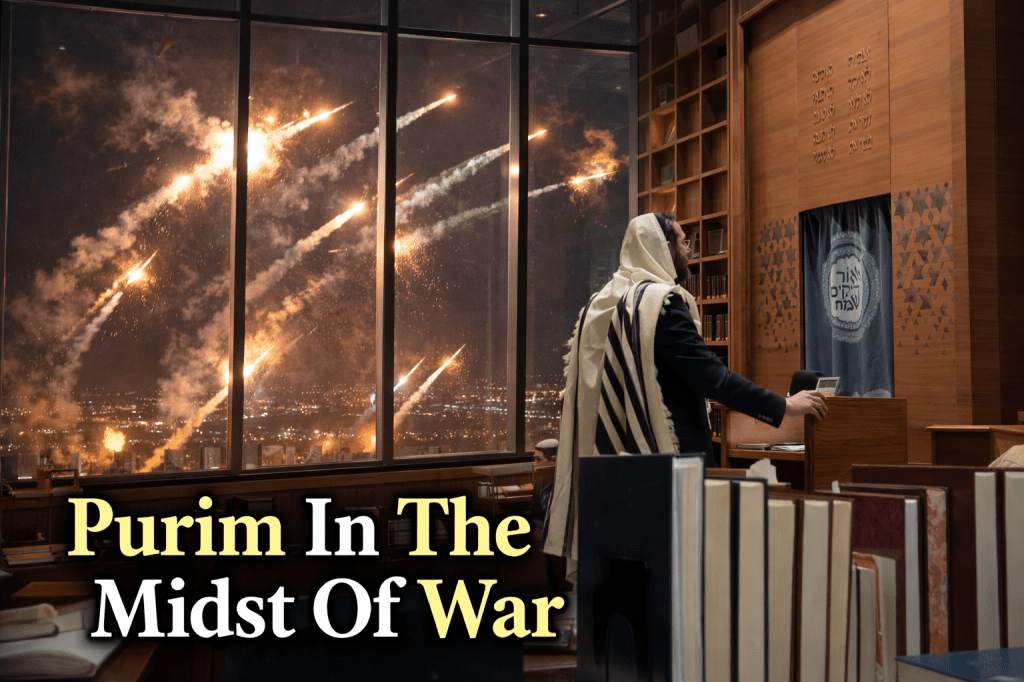
🇮🇱 ISRAEL VIDEO UPDATE
⏳ Week #27
📆 February 28, 2026 → March 7, 2026

Week 27 In Israel: This week was Insane! What a crazy experience!
Weekly writing coming soon..........

How does the Ancient Purim story align with todays Current Events in Israel?
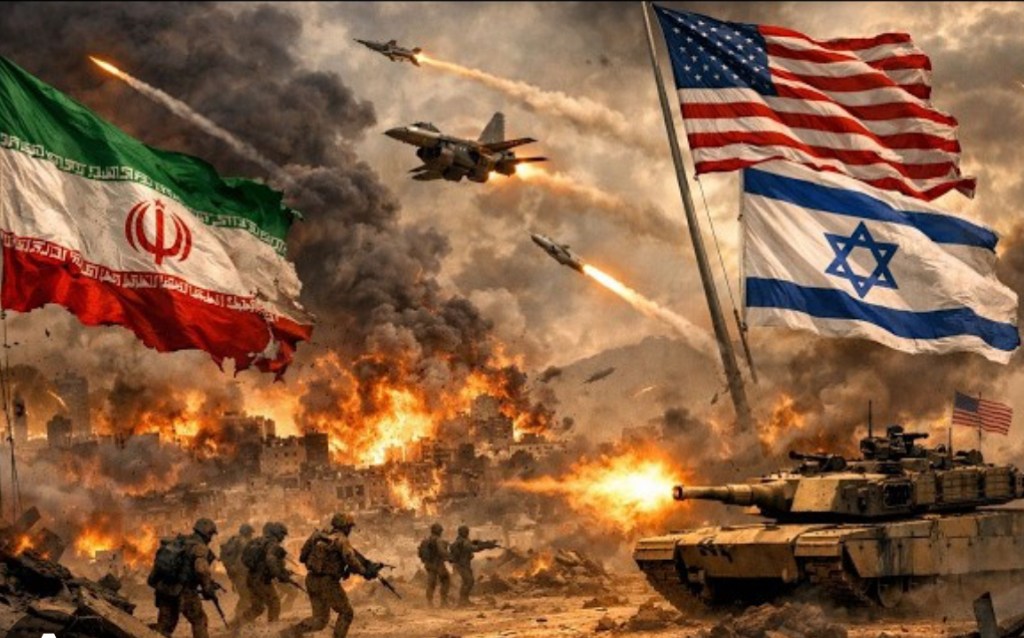
Some people try to look at current events through the lens of the Torah. What is currently  happening right now..... with the U.S.-Israel vs Iran War..... happening the same week as Purim....., If we dive deep into it.... Israel just took out Iran's Supreme Leader and greatly weakened Irans capabilities this week. Purim commemorates the events described in the Book of Esther, where the Jewish people living in the Persian Empire faced destruction from Haman, a powerful official who plotted to annihilate them. At first the Jews seemed completely vulnerable, but through the courage of Esther and the leadership of Mordechai, the situation suddenly reversed. Haman’s plan collapsed, and the Jewish people were saved. One of the most striking aspects of the story is that G-d’s name never appears in the text, yet the unfolding of events seems to reveal a hidden pattern behind history. In the Purim story the Jewish people were threatened within the Persian Empire, and then the power of the enemy who sought their destruction was suddenly reversed. Israel is weakening and removing a direct threat during the same time exact time as Purim. Some might see that timing as striking, especially considering that modern Iran occupies much of the territory of ancient Persia where the Purim story took place. Of course, this is not a claim that anyone can definitively know the meaning of current events or that the Torah is literally predicting modern politics. Judaism traditionally teaches humility when interpreting history, recognizing that human beings rarely understand the full picture of how events unfold. Still, the patterns described in the Purim story.....danger, hidden providence, and sudden reversal..... have appeared repeatedly throughout Jewish history. For some people, seeing echoes of those themes in the present moment can serve as a powerful reminder of the message of Purim: that even when events seem uncertain or threatening....... history sometimes turns in unexpected ways!

About The Jewish Holiday Purim:
Purim commemorates the salvation of the Jewish people from Haman's plot to destroy them in ancient Persia, celebrating divine providence, the reversal of fate, and the triumph of good over evil. It teaches that G-d works behind the scenes, even when unseen, and highlights the need for bravery, Jewish identity, and unity.

Divine Providence in Hiding: The name of G-d does not appear in the Book of Esther, symbolizing that G-d is present and active even in mundane or dark situations, often acting through "hidden" natural events rather than open miracles.

The Reversal of Fate (VeNahafochu): The theme of things turning upside down (the Jews going from near-annihilation to victory) is central, representing a shift from darkness to light and the ability of G-d to flip any situation.

Overcoming Amalek: Purim is the ultimate victory over Amalek...the personification of irrational hatred against the Jewish people...requiring a transformation of "dark energy" into holy, joyous service.

The "Highest" Holiday: Kabbalistic tradition suggests Purim is even higher than Yom Kippur.

The Four Mitzvot (Commandments) of Purim
The mitzvot are designed to foster community, gratitude, and joy:

Megillah Reading (Mikra Megillah): Listening to the Book of Esther to remember the story and recognize G-d's hidden salvation. We listen to the Megillah two times.

Sending Food Gifts (Mishloach Manot): Sending at least two kinds of food to a friend, strengthening friendship and community unity.

Gifts to the Poor (Matanot La'evyonim): Giving charity to at least two needy individuals, ensuring everyone can celebrate.

The Festive Meal (Seudah): A joyous meal, often involving wine, celebrating the victory and elevating physical pleasure to a spiritual act.

Symbolism of Customs

Costumes: Symbolize G-d's "hidden" presence during the Purim story.

Hamantaschen: The three-cornered pastries are said to represent the hat or ears of Haman.

Why do we drink wine on Purim?
On Purim, Jews drink wine as part of celebrating the miracle described in the Book of Esther. In the story, the Jewish people were saved from a plot to destroy them that was led by Haman, and their salvation happened through a series of royal wine banquets organized by Esther. Because the turning point of the story occurs during these banquets, wine became associated with the celebration of the holiday. The obligation to drink comes from Megillah 7b, which states that a person should drink on Purim until they cannot distinguish between the phrases “cursed is Haman” and “blessed is Mordechai.” The idea behind this statement is that Purim is meant to be a time of intense joy and celebration because the Jewish people were saved from destruction.

Hello,
I’m Benny Leshin!
Writer. Philomath. Video Creator. BodyBuilder. Professional Ice Hockey Player.
Jerusalem, Israel
Let’s connect!
Subscribe!
Stay updated with my latest writings, videos, and projects!

 Benny Leshin
Leave a comment